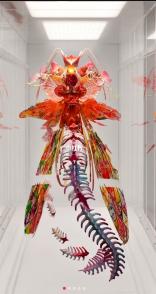
01 / VISUAL REFERENCE
Where symbol meets concept
Included in the proposal as a visual reference for turning abstract ideas into visible forms.
View original reference ↗DEVOUR / A VIDEO ART PROJECT BY XIUNAN FAN / 2026
Devour is a video art project exploring fragmented attention, self-perception, and the information cocoon.
Explore the proposal ↗In the endless scroll of short-form video, information is filtered, rearranged, and pushed toward us. Beginning with personal experience, this project explores how fragmented attention changes the way we understand ourselves and the world around us.
The planned outcome is a first-person video artwork with elements of psychological horror. A forest, a processing machine, and a candy house form its three central images.
View the project concept ↗Tracing ideas for the film through research, artistic expression, and fairy-tale narrative.
Included in the proposal as a visual reference for turning abstract ideas into visible forms.
View original reference ↗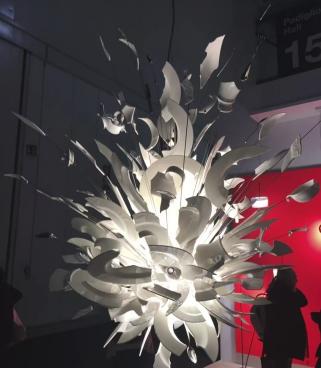
Its scattered, expanding forms suggest how a loss of focus might feel visually.
View original reference ↗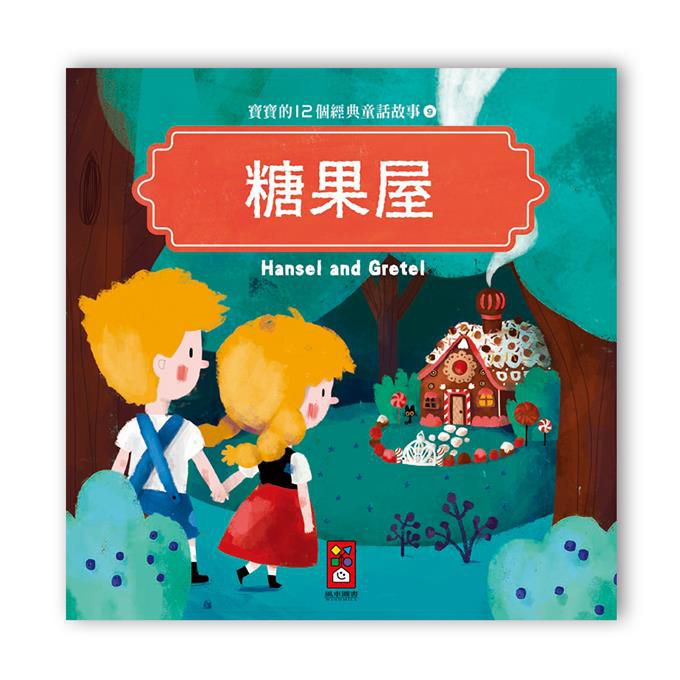
The contrast between a sweet exterior and hidden danger becomes a narrative metaphor for the information cocoon.
The proposal also cites a study of short-form videos and rational thinking among university students. Read the paper ↗
Devour / project proposal
Devour examines the relationship between people and self-perception. It focuses on fragmented attention in the short-form video era, the weakening of deep thought, and the fear of the unknown that may follow.
Endless scrolling affects everyday attention. Personal choices and platform recommendations together narrow the information we encounter and change our capacity for sustained focus and deeper reflection.
Visual and narrative references from the Visual Journey, gathered here alongside the research that informs Devour.
Included in the proposal as a visual reference for turning abstract ideas into visible forms.
View original reference ↗Its scattered, expanding forms suggest how a loss of focus might feel visually.
View original reference ↗The contrast between a sweet exterior and hidden danger becomes a narrative metaphor for the information cocoon.
The proposal also cites a study of short-form videos and rational thinking among university students. Read the paper ↗
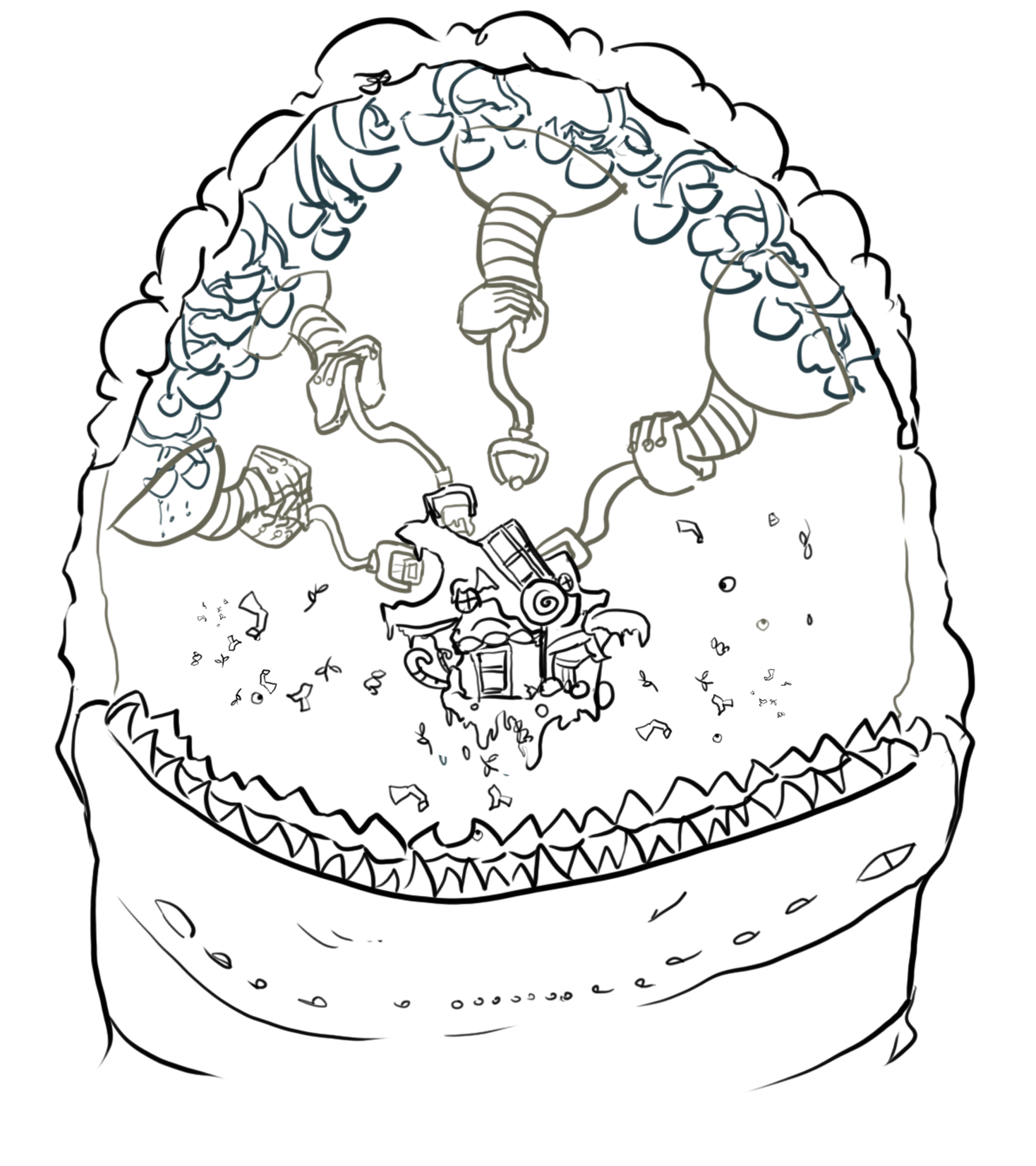
The project follows Pathway B to create a video artwork. Scenes will be built in Unreal Engine and experienced from a first-person perspective, creating a world shaped by psychological horror.
Planned tools include Blender, Unreal Engine, Codex, CapCut, and DaVinci Resolve. The workflow covers storyboarding, concept design, modeling, scene building, lighting, editing, and color grading. AI will assist with concepts and models, software workflows, and scheduling.
Six stages move the project from its first narrative sketches to the finished video.
Plan the first-person narrative and key transitions.
Develop the environments and key visual ideas.
Create and refine the visual assets.
Build the scenes and camera path in UE.
Shape the mood, visibility, and sense of unease.
Bring the sequence together and finish its look.
Key challenges include creating immersive psychological fear, maintaining a coherent world and narrative, and keeping AI-generated assets visually consistent. Cross-software MCP workflows will also require experimentation.
DEVOUR / PROCESS ARCHIVE
Concept development and visual studies for the final video project.
I refined the film story, improved the concept images, generated detailed 3D models, and began assembling an outdoor scene in Unreal Engine. The source log does not give a completion percentage.
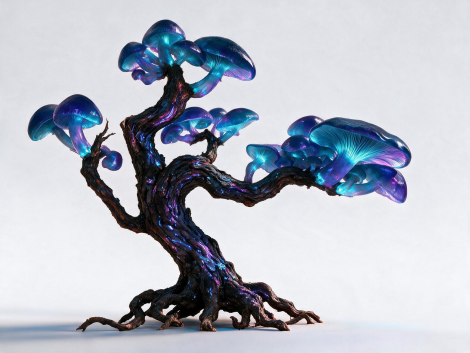
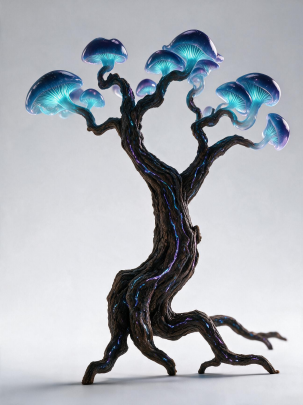
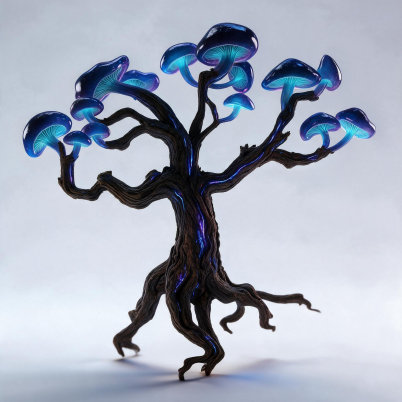
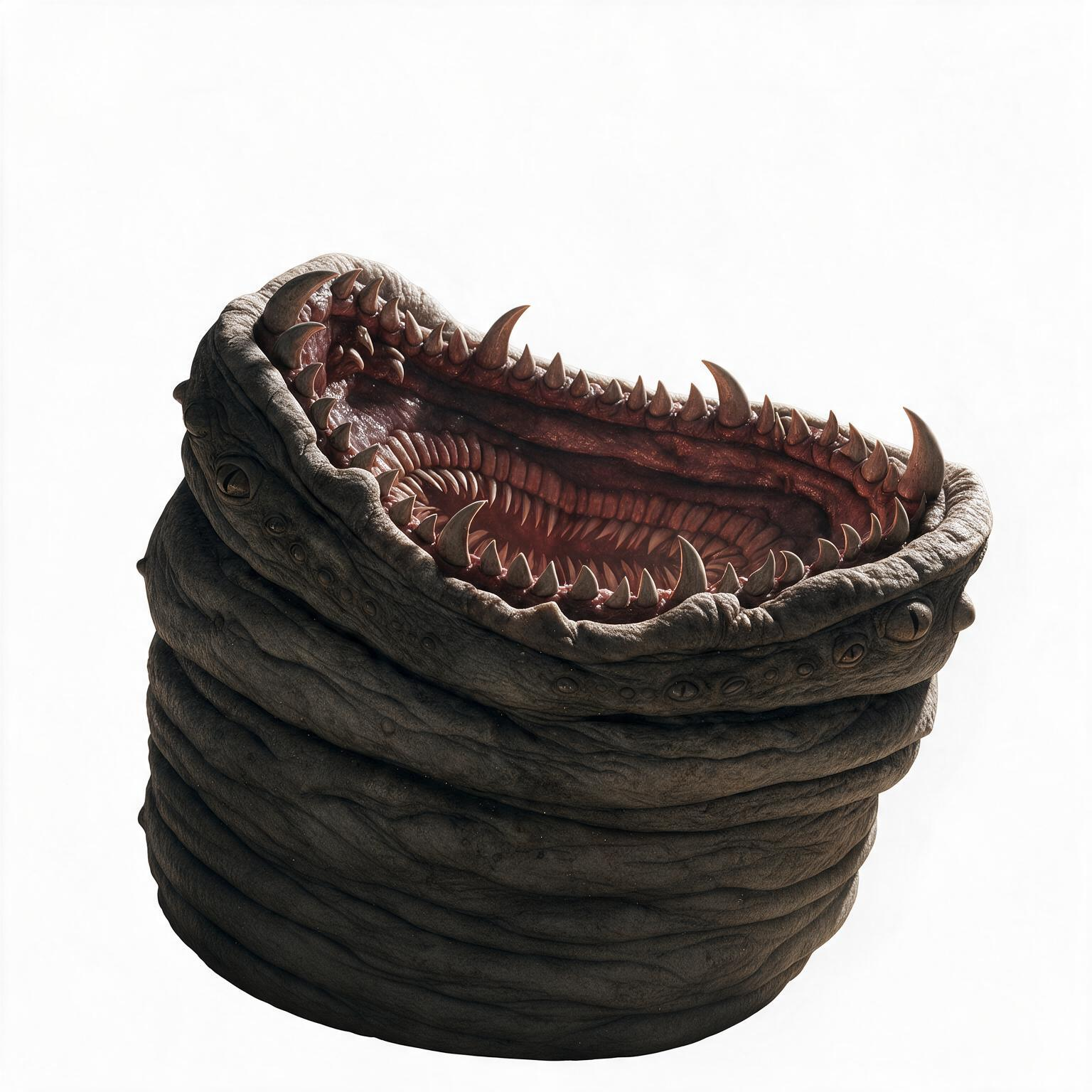

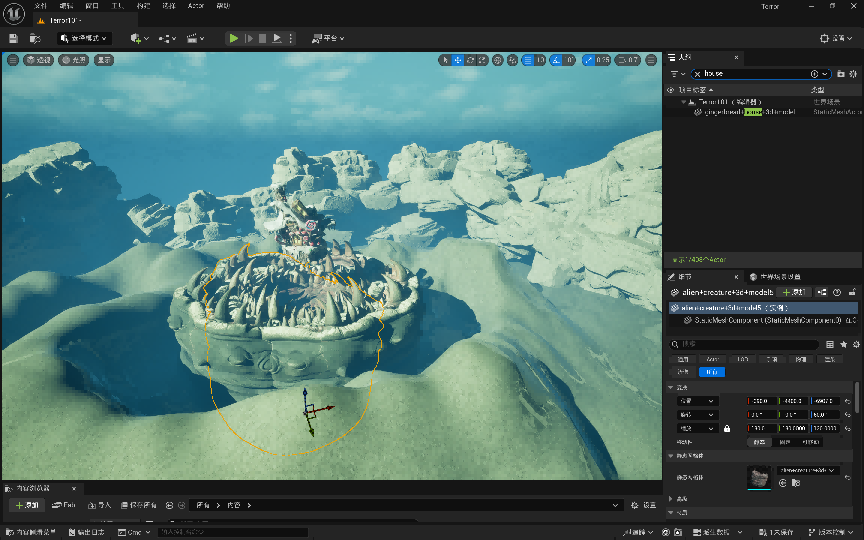
It is unclear whether the interior and exterior scenes should share one Unreal Engine project. If they do, I need to determine whether the current candy house model can support an interior scene.
Animating the muscle movement inside the underground monster’s mouth is technically difficult.
I could build the interior and exterior atmospheres as separate Unreal Engine projects and connect them through a button or film editing.
After placing the models, I will test whether AI tools can help animate the mouth. If that does not work, I will consider rigging or omit the animation.
I completed a local browser prototype for a scene in Devour: liking content raises syrup inside the room. I also connected a finger-heart gesture to the like action and tested the interaction on my computer. The prototype has not yet been integrated into the final artwork or published as part of this website.
Codex initially increased the like-notification volume instead of the syrup-flow sound; I clarified which sound should change. The first gesture integration also hit a detectStart is not a function error and then failed to detect a hand despite showing camera video. Those issues were corrected, but recognition can still depend on hand position and camera angle. The prototype remains a local study rather than a finished project scene.
I will test the open-hand-to-finger-heart sequence under varied conditions, tune the rules, and keep mouse controls as a fallback. The prototype and troubleshooting notes will inform the final scene and the tool-experience report.
Concept design is in progress. I completed base coloring for the project map and line art with base colors for three key elements: the monster, the trees, and the candy house. The source log does not give a completion percentage.
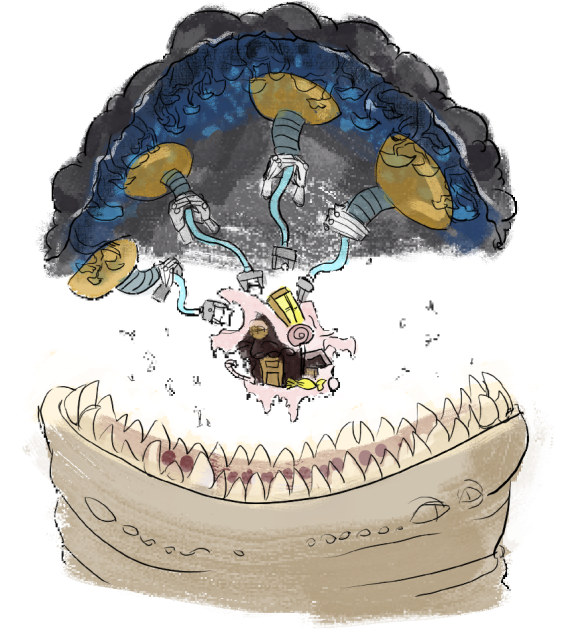

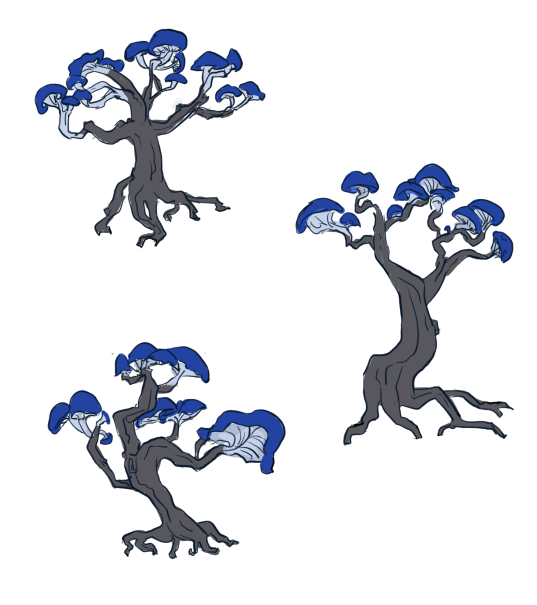
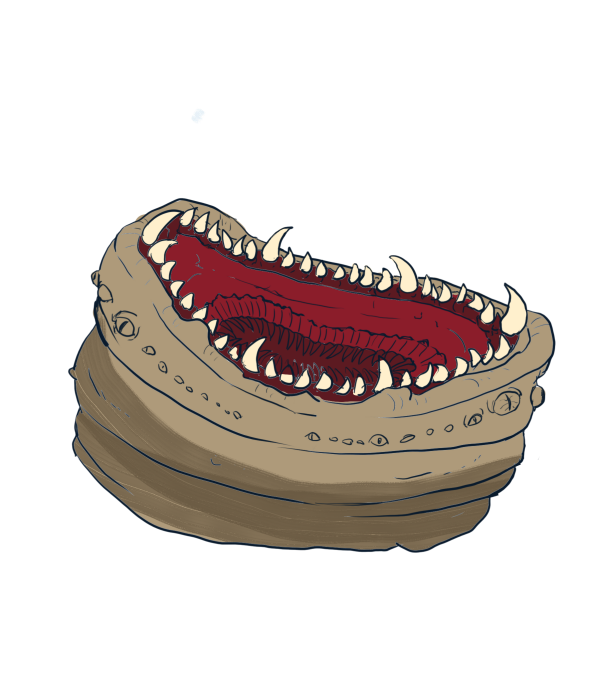
The concepts do not yet feel clearly connected or memorable. They need stronger visual symbols that link them to fragmented attention in the short-form video era.
I plan to create a mood board to define a consistent visual style and shared elements, gather more references, and refine how the concepts connect to the project's central idea.
Devour is a planned first-person video artwork that moves through a forest, a processing machine, and a candy house to show how information is processed, filtered, and wrapped into an immersive world.
The project is currently at the proposal stage. The finished video and process materials will be added here when they are complete.
Critique and testing feedback will be archived alongside revision decisions, so the reasons behind the project’s development remain visible.
AWAITING FIRST FEEDBACK / NO ENTRIES YETXIUNAN FAN / NANCY
I am Xiunan Fan (Nancy). This website is my evolving research archive for Devour, a video project about attention, platform-curated information, and self-perception.
The material currently shown comes from my profile and project proposal. I will add working logs, feedback, and the finished artwork as they are completed.
The proposal plans to use AI to support concept and model development, cross-software workflows, and scheduling. Specific uses will be documented in the working log.